 0
0
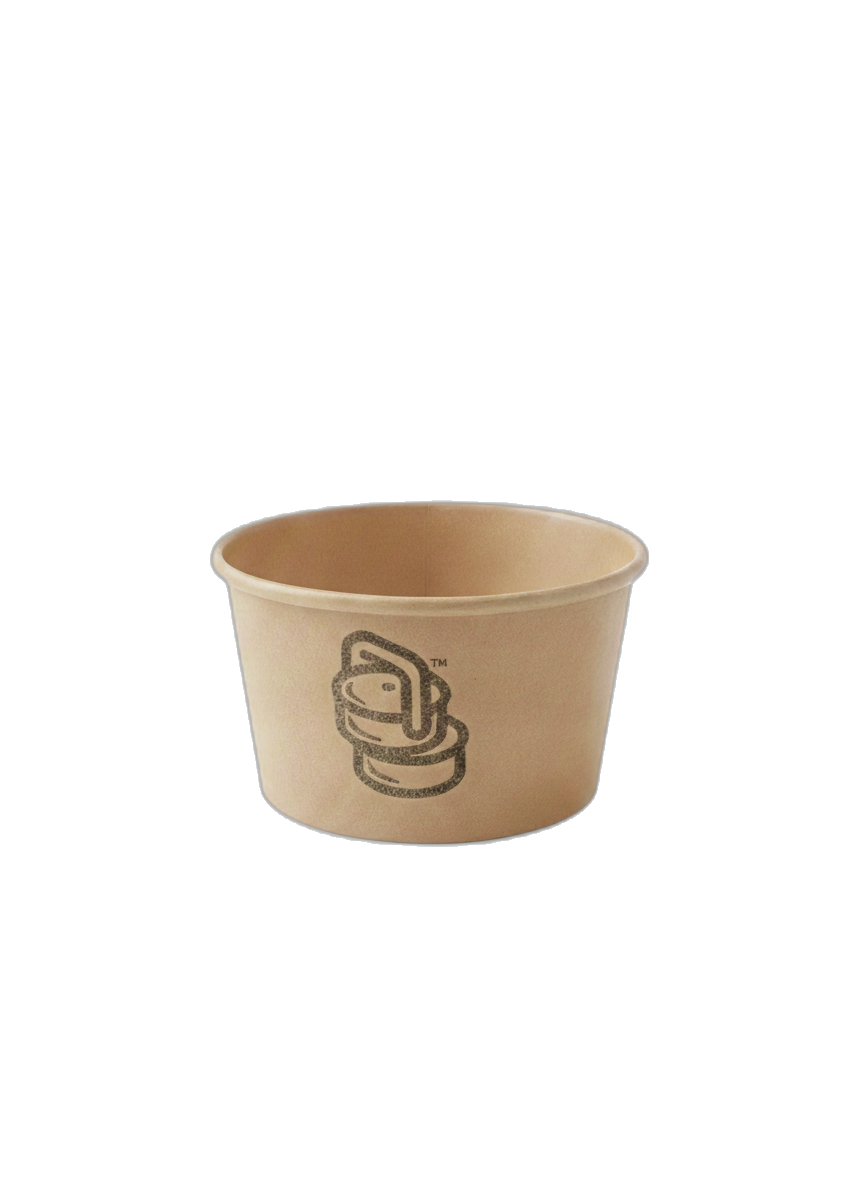
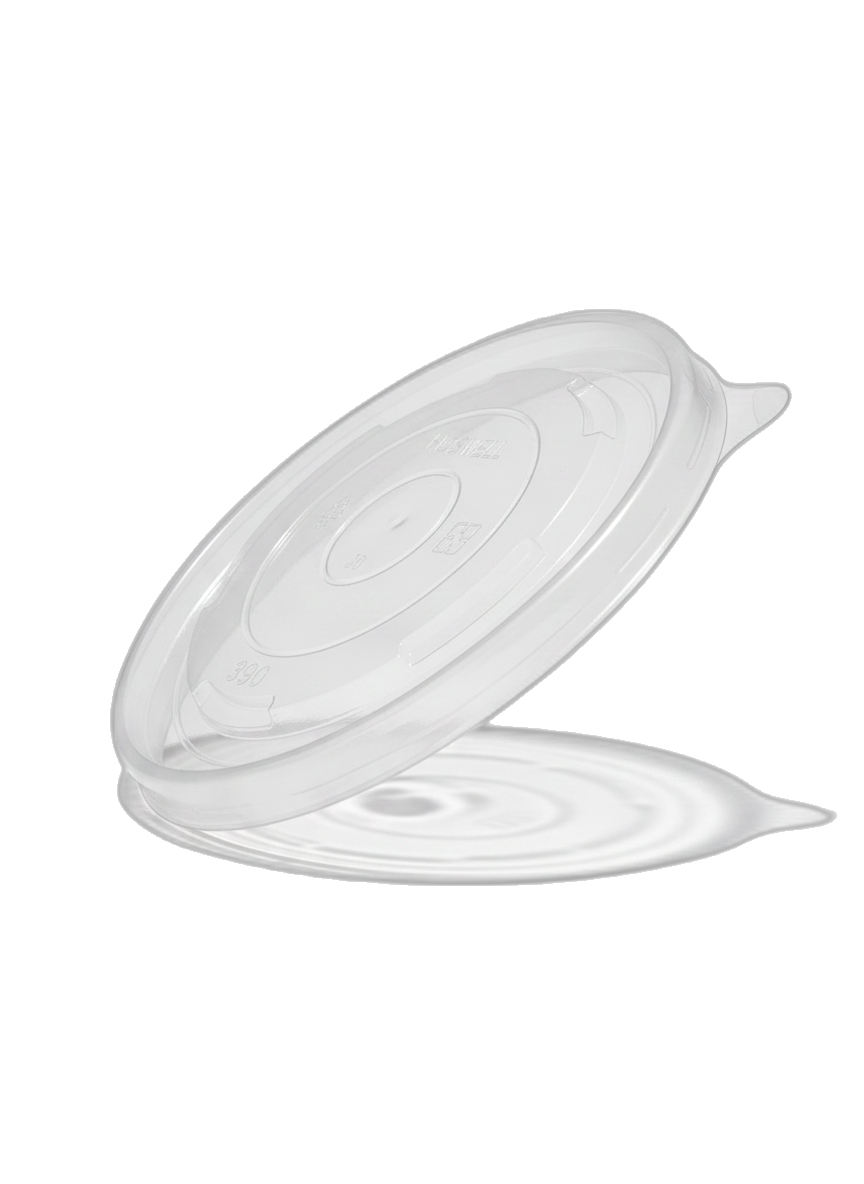
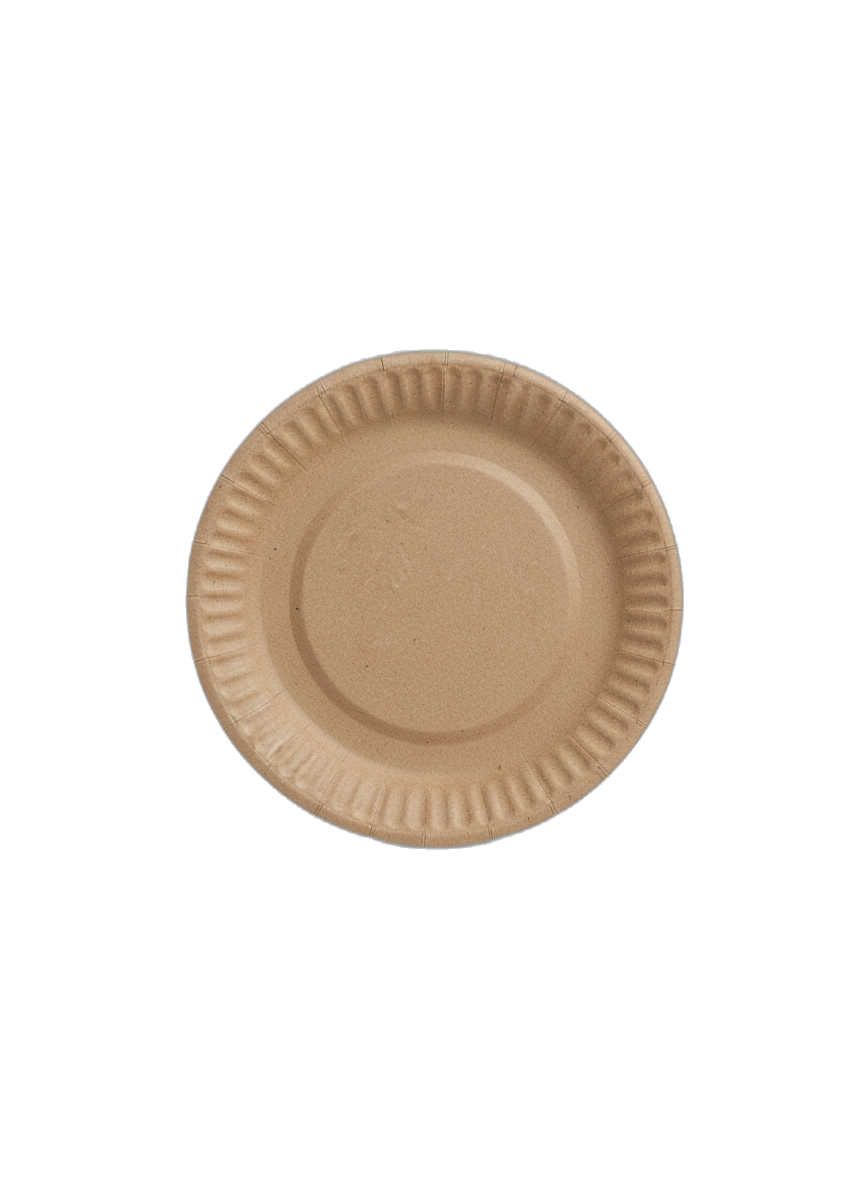


Hannah  here. "PLA more eco kan?" — I get this exact question every other week from customers switching away from styrofoam. Answer is yes, but with several caveats. Let me lay out the real tradeoffs honestly.
PE Liner — The Workhorse Of Malaysian Kedai
PE (polyethylene) lining is the most common coating on kraft food boxes in Malaysia today. It's a thin plastic film bonded to the kraft that makes the paper resistant to grease and water — meaning your curry or wet nasi campur won't soak through and embarrass the delivery rider. It's cheap to produce at scale, handles heat up to about 80°C comfortably, and pretty much every kedai uses some version of it. Downside: it's not compostable. The kraft outer biodegrades naturally, but the plastic film stays in the soil for decades.
PLA Liner — The Compostable Cousin With Caveats
PLA (polylactic acid) is made from corn starch and IS technically compostable — but only in industrial composting facilities at specific temperatures (which Malaysia barely has rolled out yet). In a home compost bin or normal landfill, it actually breaks down slowly, sometimes barely faster than PE. PLA also softens around 60°C, so for piping-hot ayam masak merah straight off the wok it can warp the box. Cost is roughly 25-40% higher than PE per unit (anggaran industri).
My honest take: if you're a regular kedai serving hot meals daily, PE is fine — focus your eco efforts on reducing total packaging waste and offering dine-in incentives. If you're a vegan cafe, eco-positioned brand, or selling at sustainability markets where customers happily pay extra, PLA tells a stronger story for compostable packaging Malaysia. Don't get greenwashed into PLA "just because". Bungkus baik, bumi senang.
WhatsApp 017-231 0629 · Email [email protected]
Bungkus baik, bumi senang.
— Hannah,
Recent Posts