
 0
0
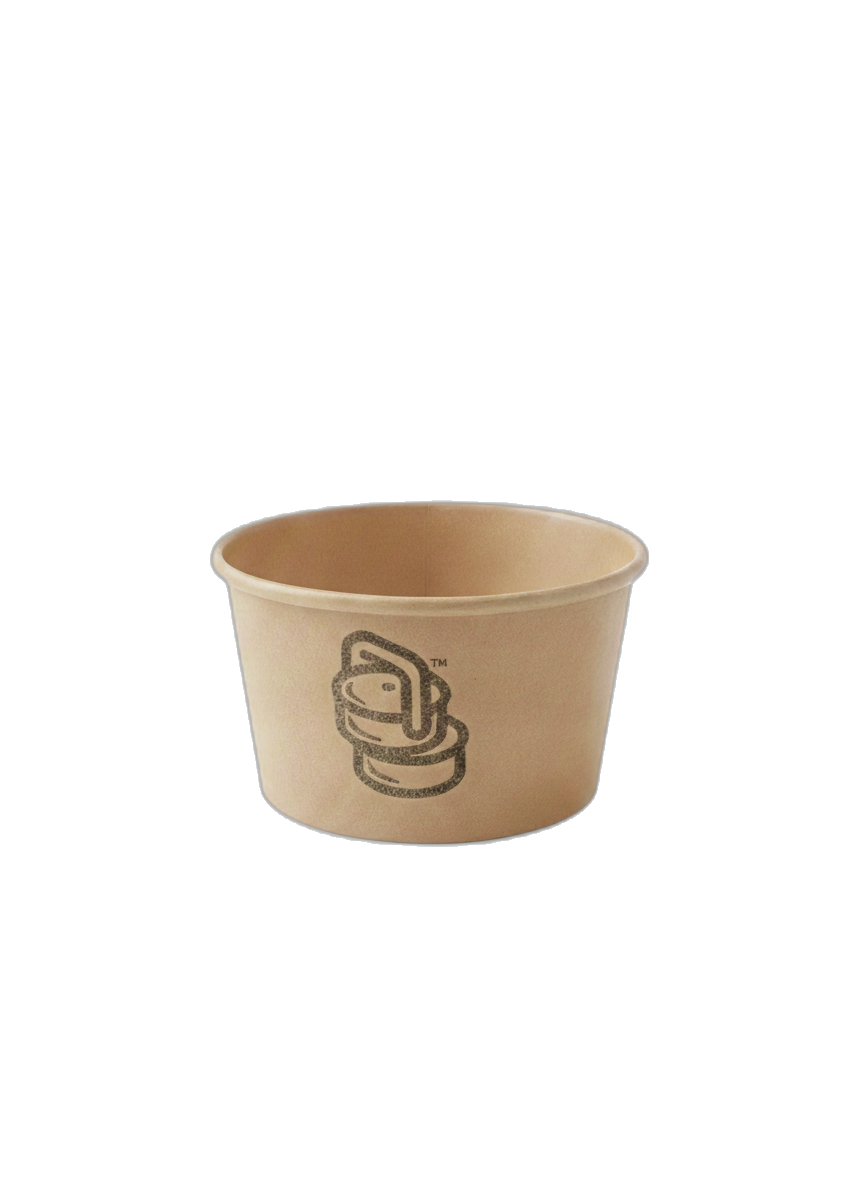
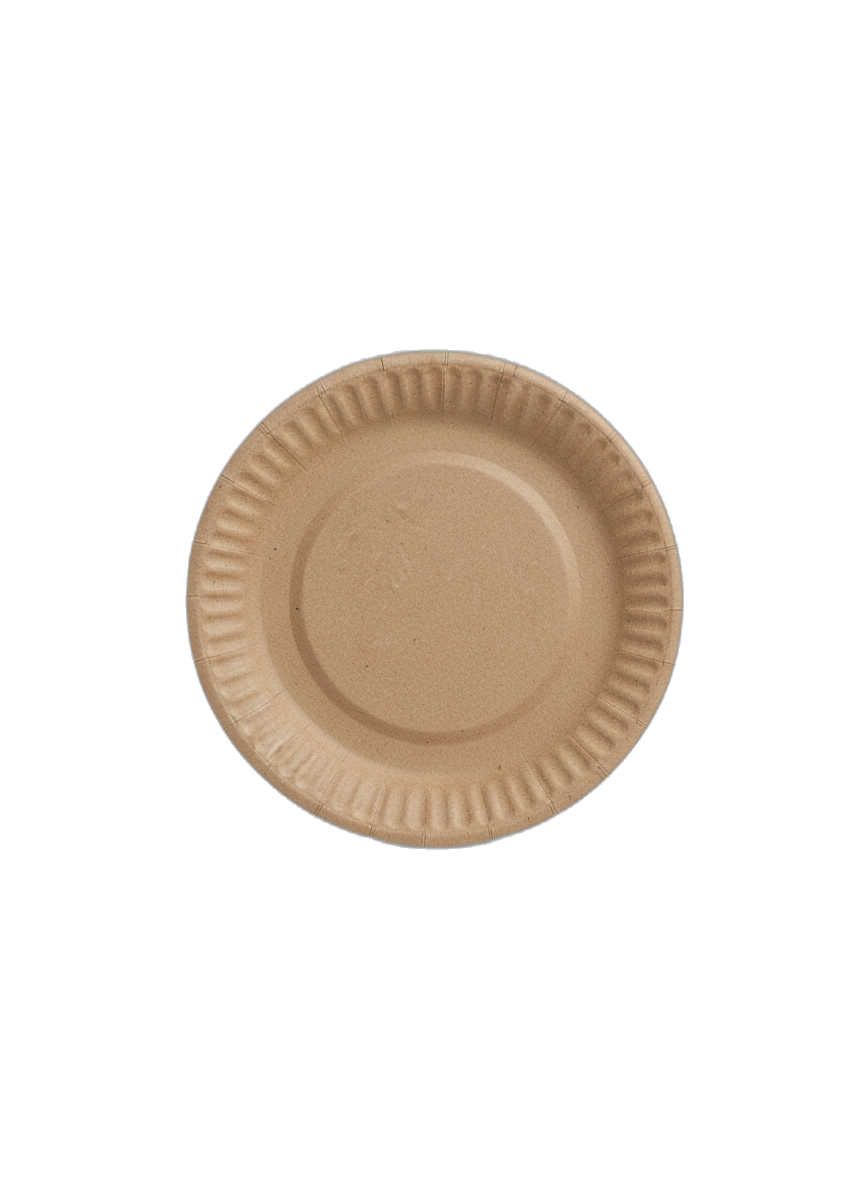


Customers always ask  — "so how is kraft actually made ah?" Today Hannah walks you through it, from log to lunch box.
From log to pulp
Kraft starts with softwood logs (pine, spruce — long fibre = stronger paper). Logs are debarked and chipped, then cooked in a solution of sodium hydroxide and sodium sulfide at high temperature — this is the "kraft process" (German for "strength"). The cooking dissolves lignin, leaving behind long cellulose fibres that give kraft its natural brown colour and high tensile strength. No bleaching needed.
From pulp to finished box
Pulp is washed, refined, and rolled into massive sheets on a paper machine. Sheets are cut, food-grade certified, and shipped to converters. At 's production partners, sheets are die-cut to box shape, scored for folding, and quality-checked for GSM consistency. Shortcuts to watch for — bleached kraft (uses chlorine), short-fibre kraft (weaker), and recycled-content kraft for food contact (not food-grade unless certified). Bungkus baik, bumi senang.
WhatsApp 017-231 0629 · Email [email protected]
Bungkus baik, bumi senang.
— Hannah,
Recent Posts