
 0
0
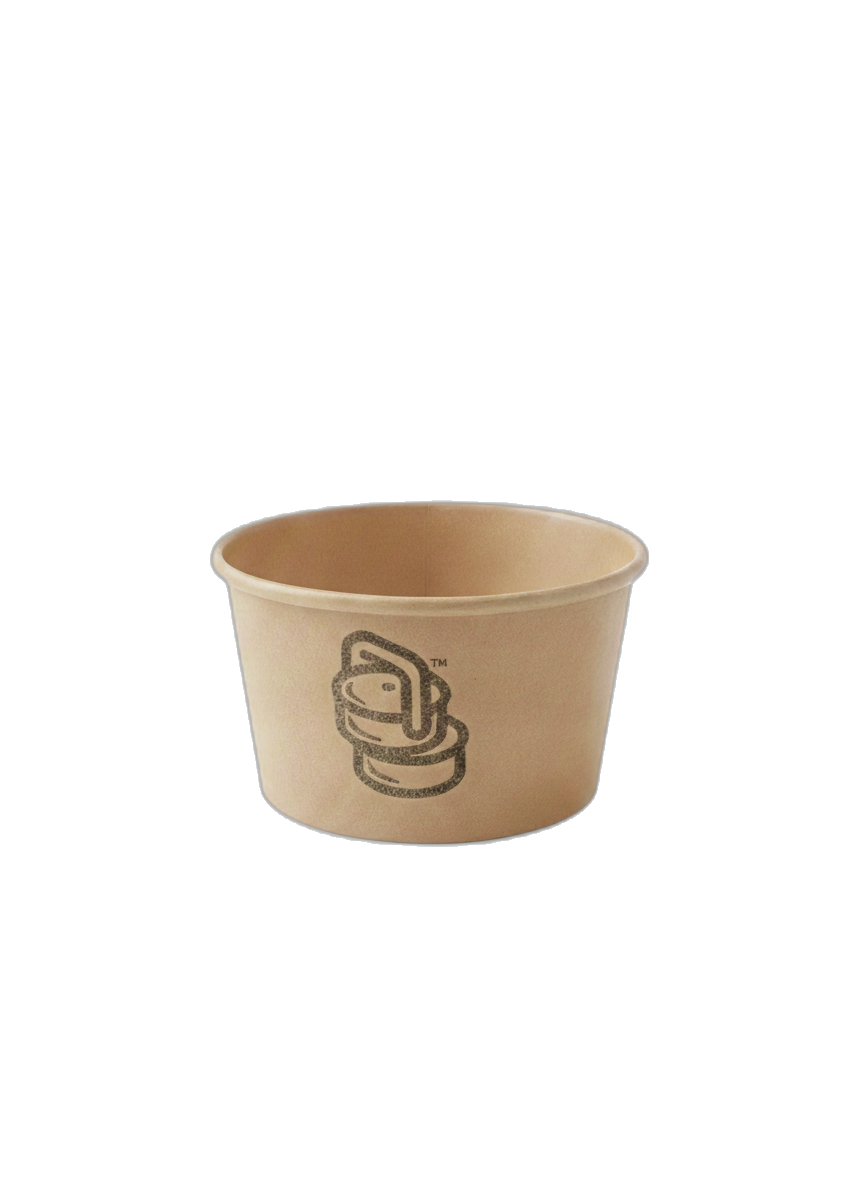
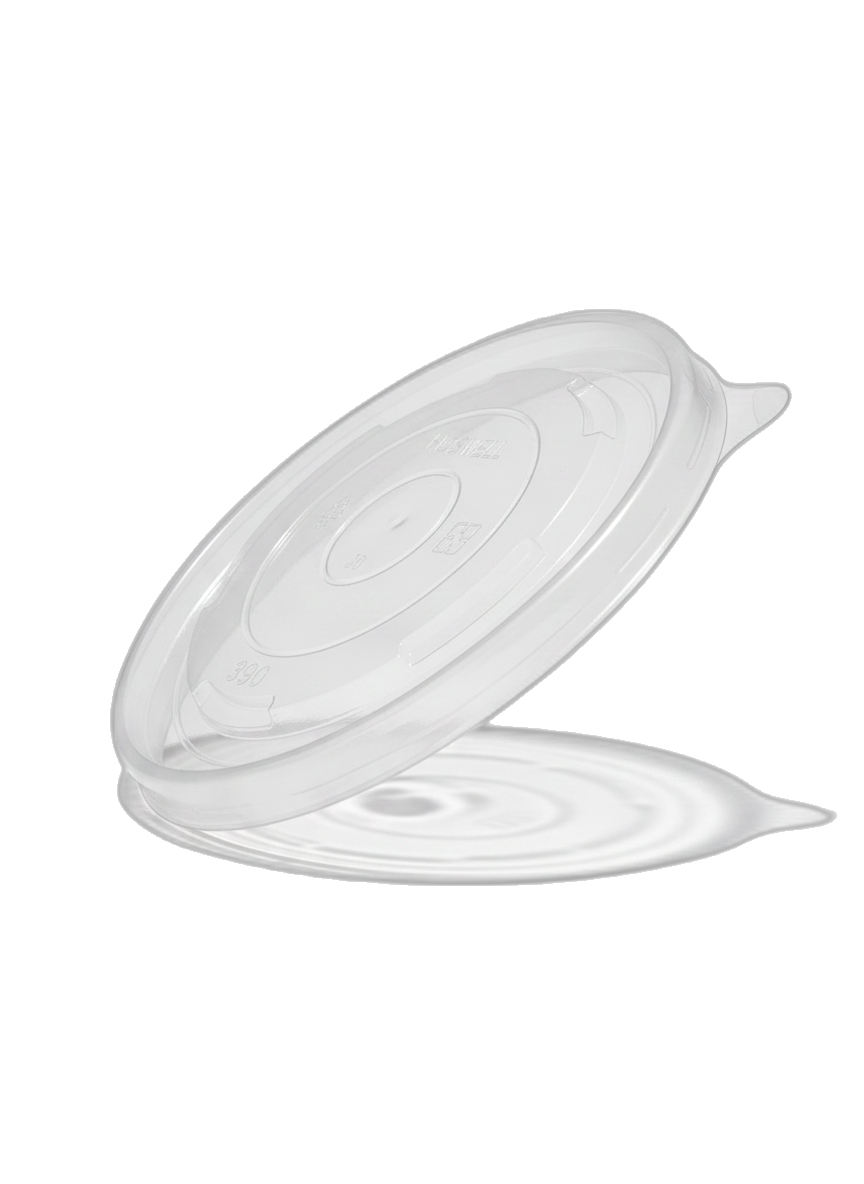

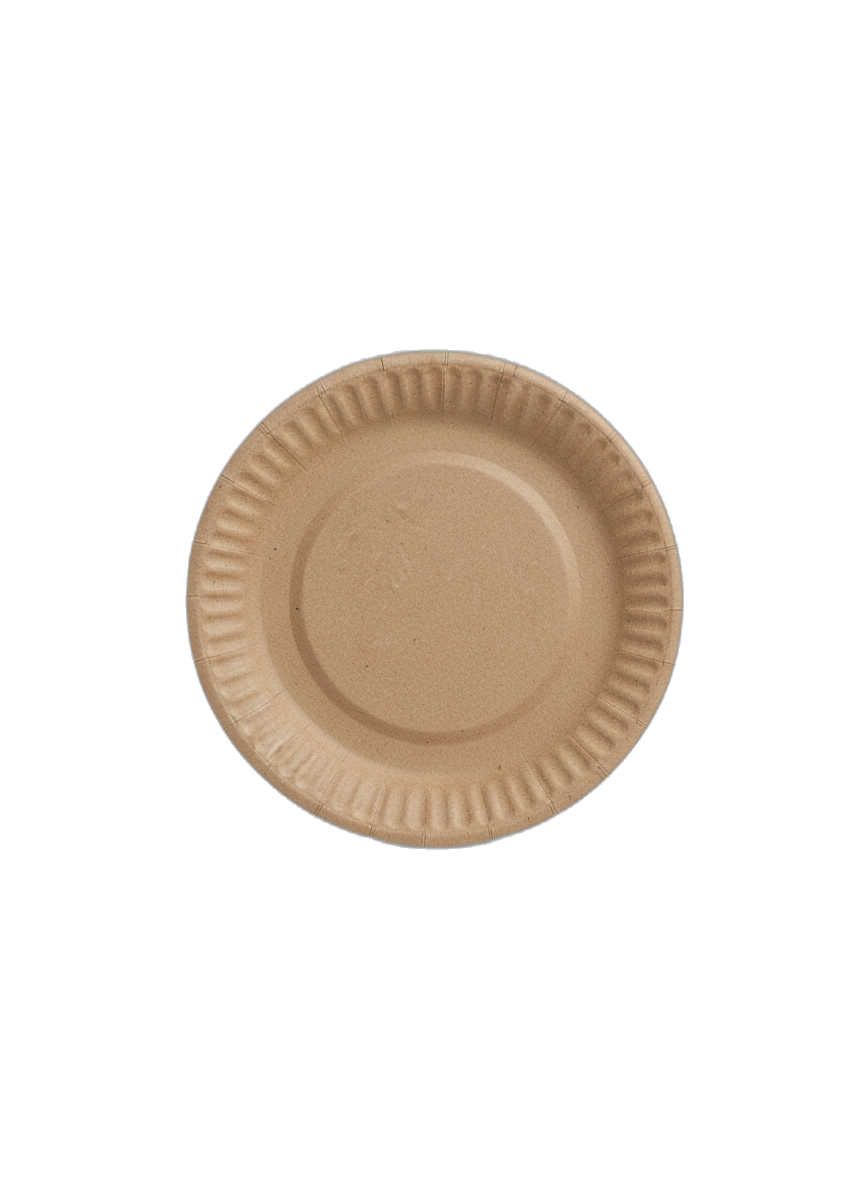


Hannah here. Customers always ask me one thing — why is  kraft always brown? Can ah make it white? Short answer: yes, but you'd be paying for chemistry you don't actually need.
It's Lignin, Lah
That warm brown colour comes from lignin — a natural compound in wood that holds plant fibres together like organic glue. When pulp is made for kraft packaging Malaysia, the lignin is mostly preserved through a sulphate-based cooking process, which is what gives the paper both its strength AND its honest brown colour. White paper, on the other hand, goes through aggressive bleaching cycles — either chlorine-based or modern oxygen-based — to strip the lignin out completely. That's extra chemistry, extra processing cost, and extra environmental load that ends up in waterways.
Why Brown Is Actually Better For Food Boxes
For food-grade kraft and any kraft food box, leaving the lignin in is a real win-win. You get a stronger paper that handles hot kuih, oily rendang, or wet nasi lemak without tearing easily under weight. You also skip the bleaching agents that some health-conscious customers worry about when their teh tarik cup touches their lips. Plus — let's be honest — brown looks premium next to coloured food. It photographs beautifully on Instagram, signals eco-friendly to your customers without needing a sticker, and pairs with literally any food styling from kuih to roti canai.
If you ever see suspiciously white kraft sold cheap, ask for the food-grade cert before buying. White doesn't mean cleaner; it means more processed. For my own kraft food box runs, I'll take the honest brown every single time. Bungkus baik, bumi senang.
WhatsApp 017-231 0629 · Email [email protected]
Bungkus baik, bumi senang.
— Hannah,
Recent Posts