 0
0
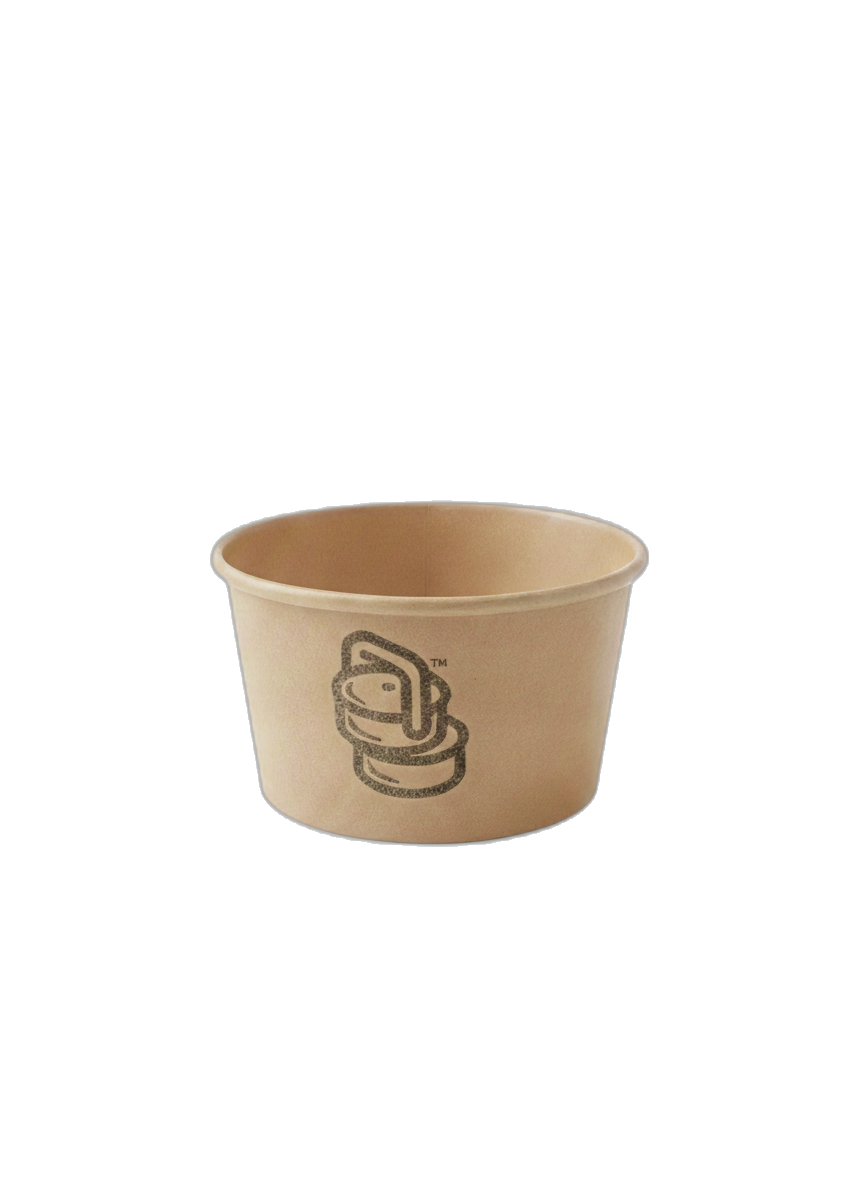
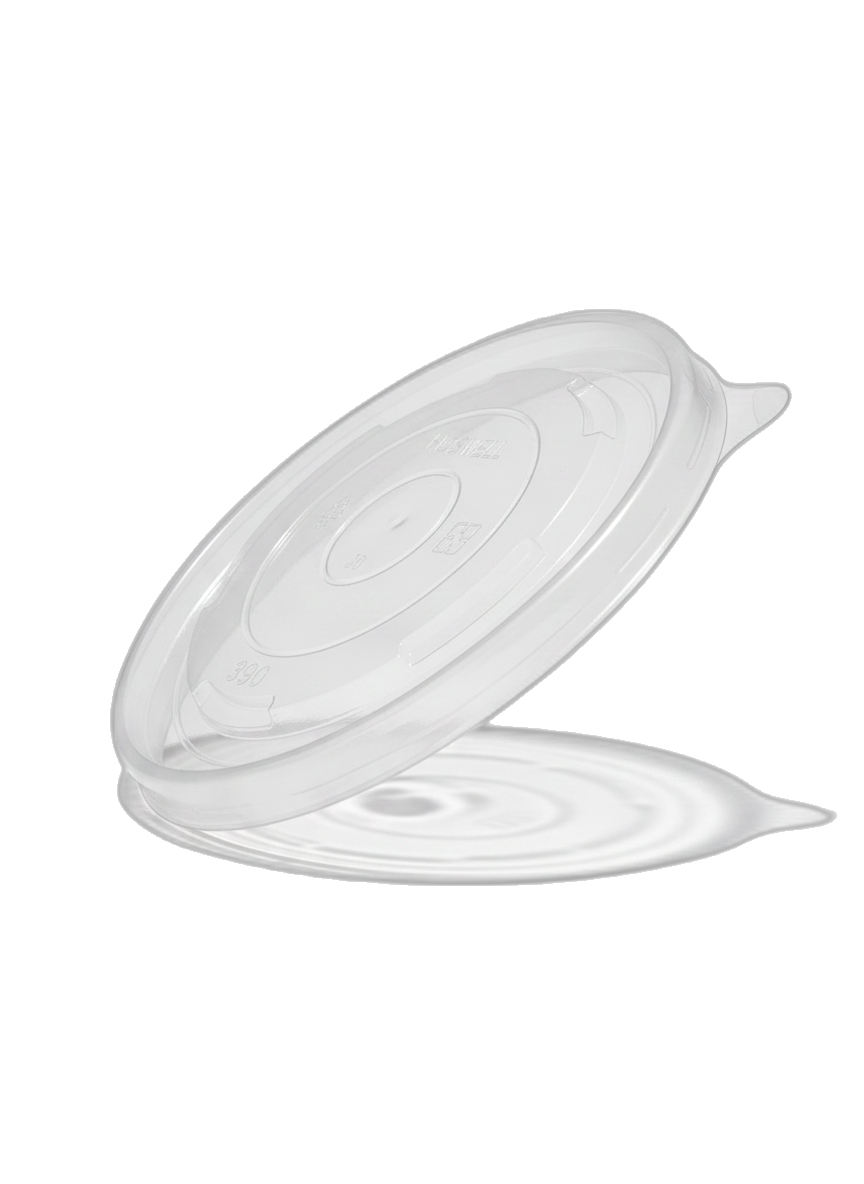

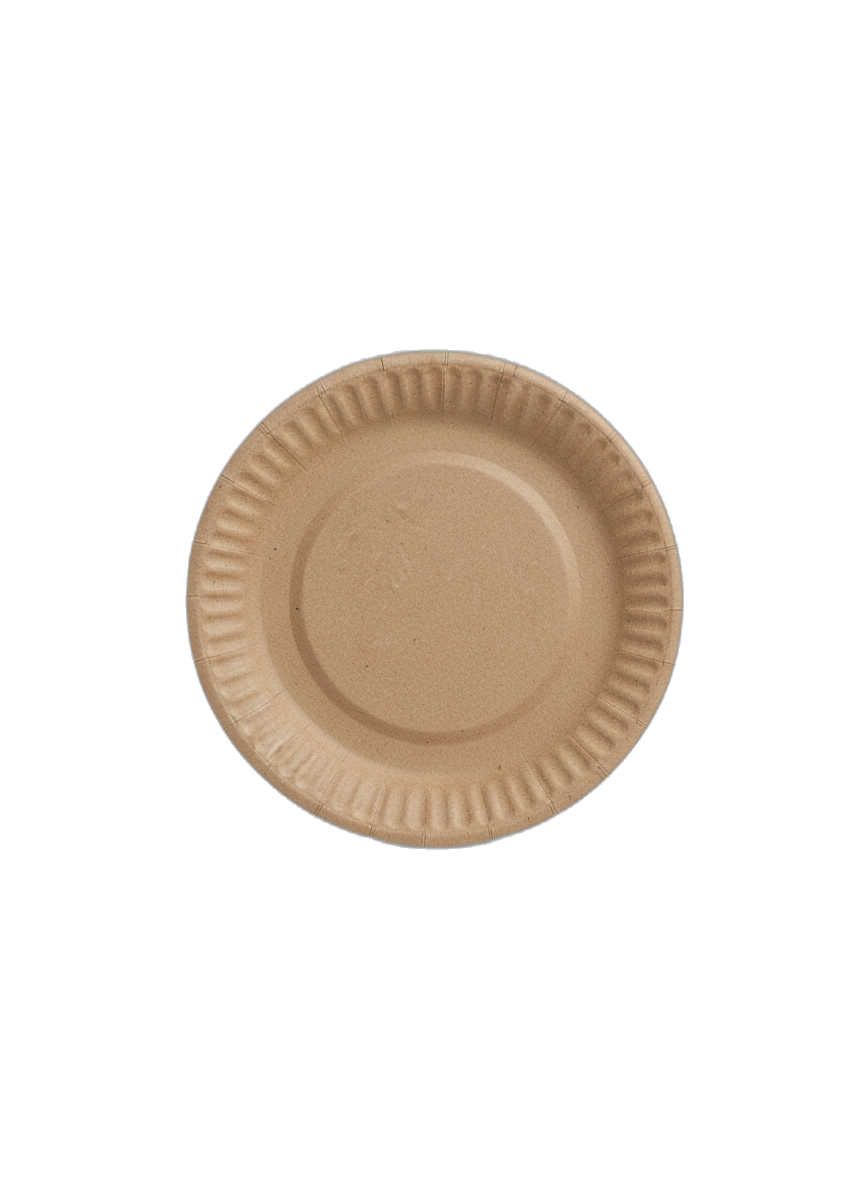


Two compostable standards dominate global food packaging — EN 13432 from Europe and ASTM D6400 from America.  breaks down which is stricter, which is more recognized, and what it actually means for Malaysian B2B buyers sourcing eco packaging.
How the two standards differ
EN 13432 (European norm, established 2000) requires 90% disintegration within 12 weeks and 90% biodegradation within 6 months under industrial composting conditions around 58°C. It also limits heavy metals like cadmium, mercury, and lead, and requires an ecotoxicity test on the finished compost to confirm it's safe for plant growth — meaning the breakdown products don't harm soil. ASTM D6400 (American standard) has similar timelines — 60% biodegradation in 180 days for homopolymers, 90% for copolymers — but does not require the ecotoxicity test as strictly or the same heavy metal limits. So technically, EN 13432 is the more comprehensive and stricter of the two standards.
What this means for Malaysian operators
If you market your packaging as "compostable" to environmentally conscious customers or for export, EN 13432 certification carries more weight in international audits, B2B procurement, and EU customer requirements. Both standards require industrial composting facilities — neither guarantees backyard composting in your home garden. For Malaysian context with limited industrial composting infrastructure, the realistic disposal path is still landfill or incineration, but certified compostable still beats conventional plastic for marine biodegradability, lower toxicity, and avoiding microplastic accumulation.
WhatsApp 017-231 0629 · Email [email protected]
Bungkus baik, bumi senang.
— Hannah,
Recent Posts