
 0
0
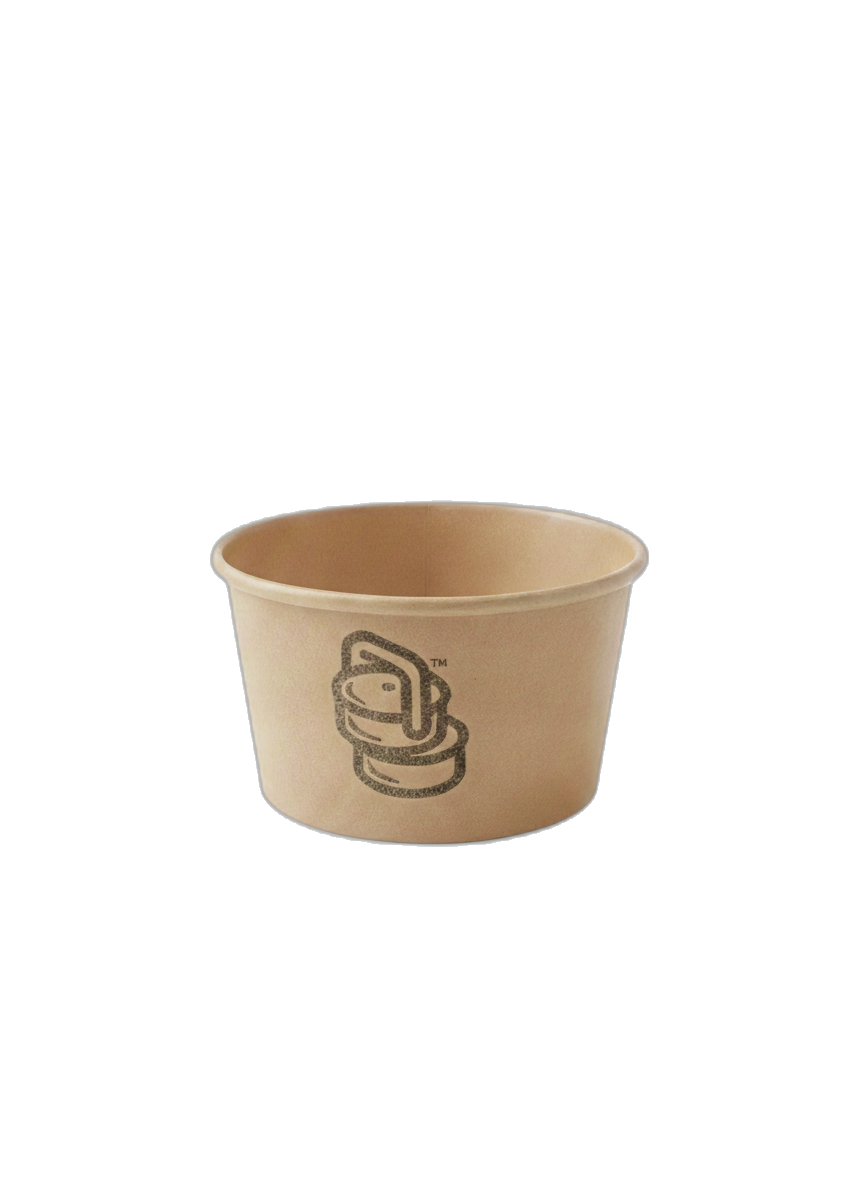
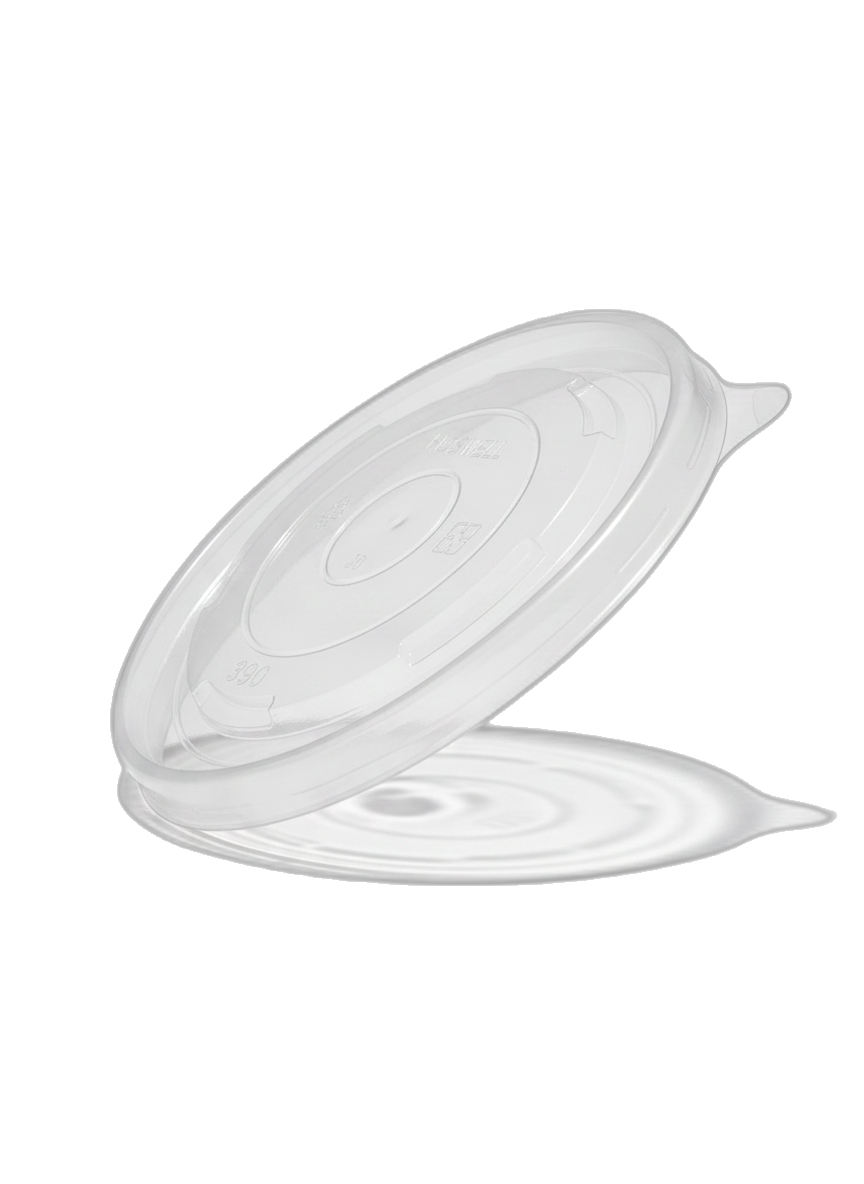



I'm a teh tarik person every morning — but recent research from 2024 made me look twice at tea bags.  shares what the science says so you can make informed choices for your kedai or home routine.
What the McGill and UAB studies found
A 2019 McGill University study found a single nylon or PET tea bag releases approximately 11.6 billion microplastic and 3.1 billion nanoplastic particles into hot water during a standard 5-minute steep at 95°C. A 2024 follow-up by Universitat Autònoma de Barcelona confirmed similar findings across multiple commercial brands — and crucially showed these particles can be absorbed by human intestinal cells in lab cultures. The plastic comes from the bag material itself, not the tea leaves. Brands that use heat-sealed polypropylene bags or pyramid mesh from nylon are the primary culprits identified in the research.
What to look for instead
Look for tea bags explicitly labelled "plastic-free" — these typically use unbleached natural fibres like abaca (banana hemp), cotton string, or PLA derived from corn (compostable in industrial conditions only). Loose-leaf tea brewed in a stainless steel strainer is the gold standard — zero microplastic risk and usually better flavour from full leaf expansion. For kedai mamak or café operators serving premium teh tarik or teh halia, switching to loose-leaf or certified plastic-free pyramid bags is increasingly a customer-facing differentiator that health-conscious Malaysian millennials notice. Pair it with kraft cups and matching lids for delivery and the whole experience reads cleaner, safer, and more premium without breaking the unit economics.
WhatsApp 017-231 0629 · Email [email protected]
Bungkus baik, bumi senang.
— Hannah,
Recent Posts