
 0
0
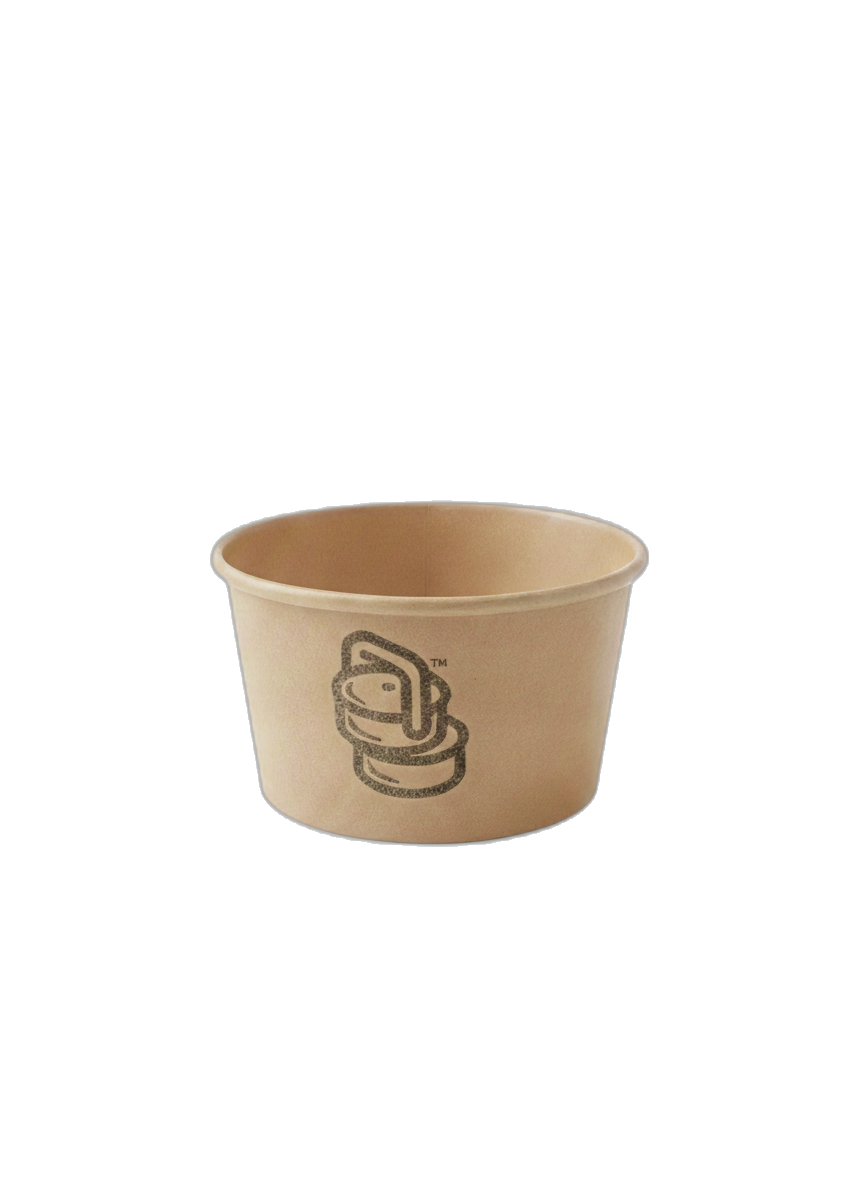
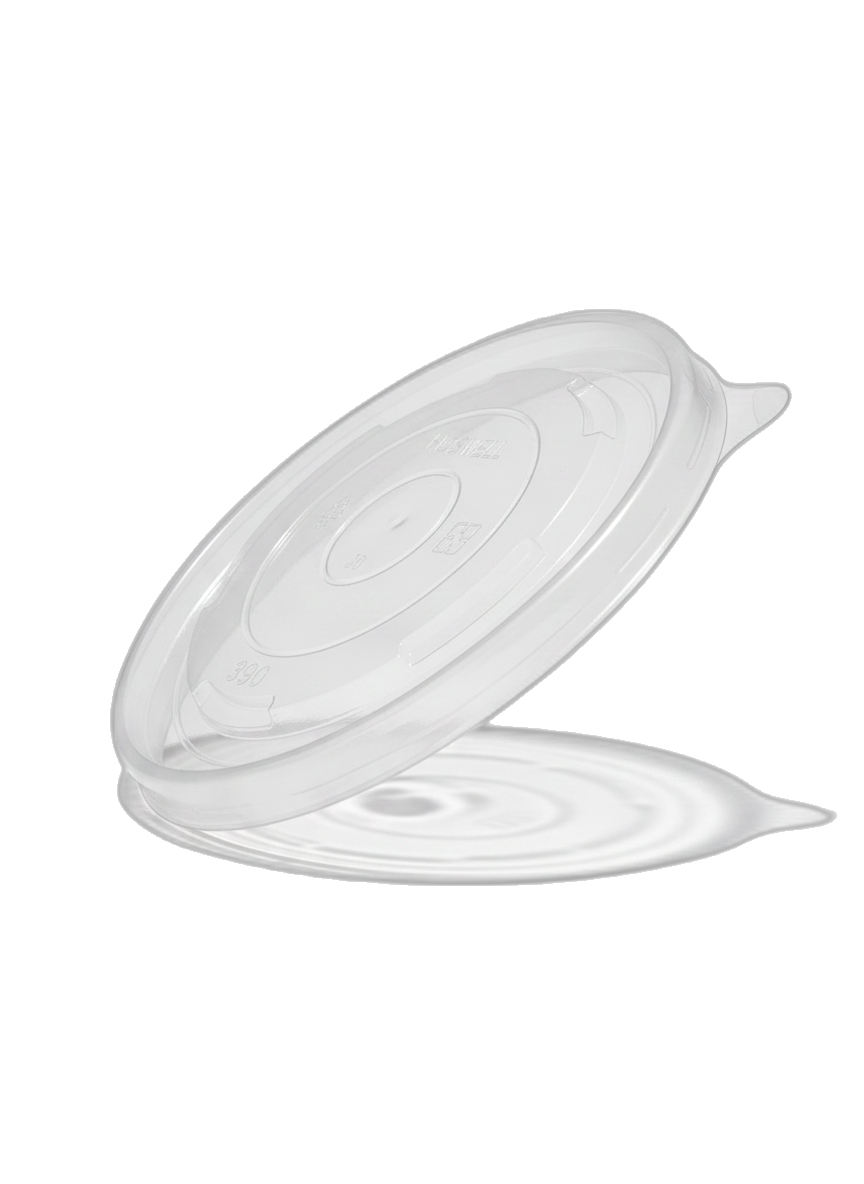

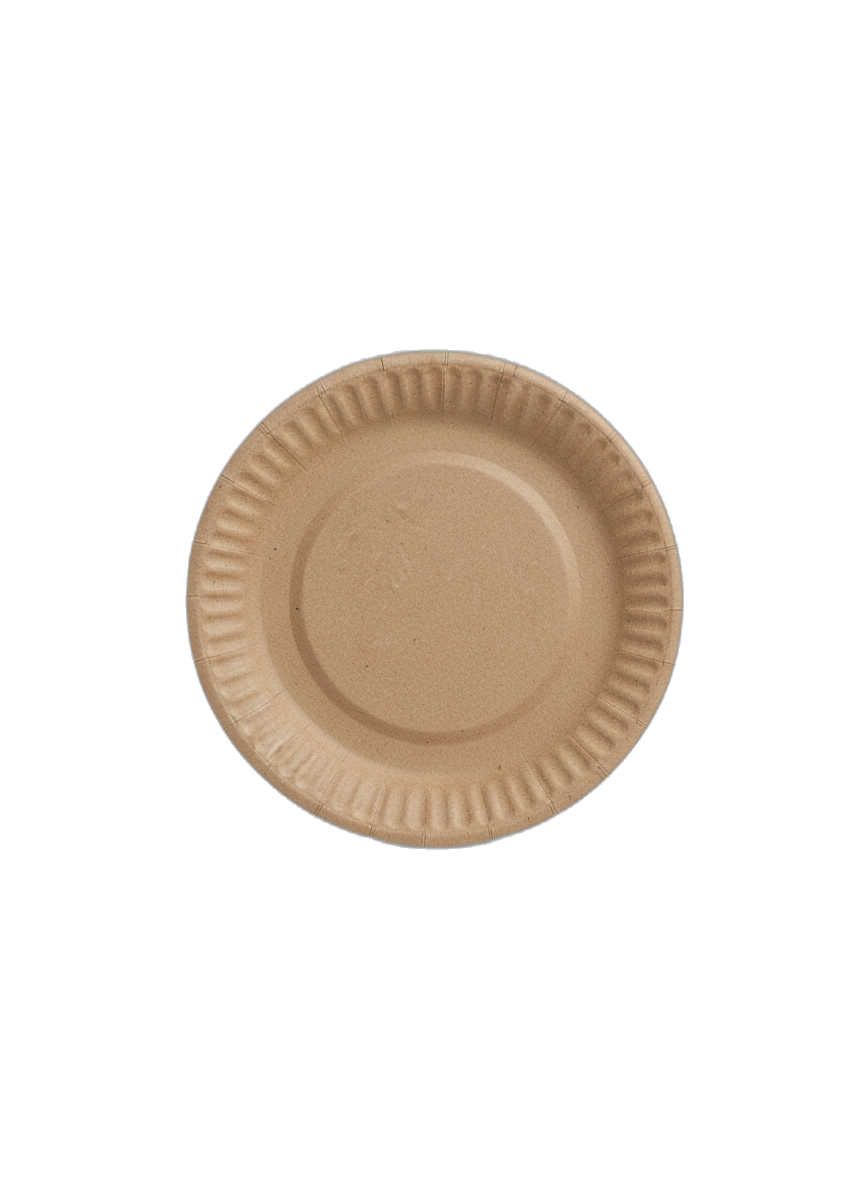


Every glass of teh tebu you minum at the pasar, the leftover fiber doesn't pergi mana — it becomes bagasse, the raw material behind  compostable food containers.
What exactly is bagasse?
Bagasse is the dry, fibrous pulp that remains after sugarcane stalks are crushed for juice. Malaysia and Thailand together produce millions of tons of this stuff yearly — historically burned as boiler fuel, but increasingly diverted into food-grade molded pulp packaging. The fibers are naturally short, dense, and food-safe once washed and pulped. Manufacturers add small percentages of bamboo or wood fiber for tensile strength, then mold the slurry under heat into bowls, plates, and clamshells.
Why it beats plastic and plain paper
Bagasse takes shape under heat and pressure, giving you rigid bowls and plates that handle hot kuah laksa without warping or going soft after 20 minutes. Unlike virgin tree pulp, sugarcane regrows annually — making the carbon math much friendlier than even sustainably-harvested hardwood. Unlike plastic, it composts in 60–90 days under proper industrial conditions and meets EN 13432 standards. The natural beige tone also reads as honest and clean to customers, which is why kedai kuih and warung nasi using bagasse bowls report better perceived value and Instagram-worthy unboxing. For Malaysian operators choosing between cost, compliance, and consumer trust, bagasse is the sweet spot — and as more festival pre-orders demand eco compliance, the supply chain keeps maturing.
WhatsApp 017-231 0629 · Email [email protected]
Bungkus baik, bumi senang.
— Hannah,
Recent Posts